Traditional Polka Dots Seamless Patterns
The visual language of design is cyclical. What feels fresh and modern in one decade often returns with renewed vigor, refined by contemporary tools and shifted cultural contexts. Among the most resilient motifs in this rotation is the polka dot. Far from being a relic of mid-century nostalgia or strictly confined to children’s apparel, Traditional Polka Dots Seamless Patterns have evolved into a sophisticated staple for creators, entrepreneurs, and digital artists. The availability of high-resolution, seamless downloadable assets has transformed how these classic designs are integrated into both physical products and digital experiences.
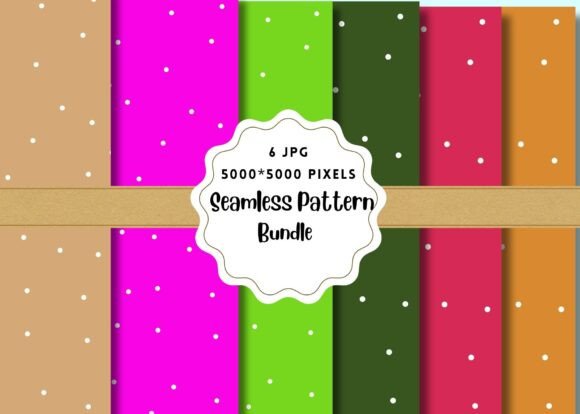
For professionals ranging from freelance graphic designers to print-on-demand business owners, the demand for versatile, high-quality textures is constant. A single pattern can define a brand identity, enhance user interface aesthetics, or add character to tangible goods. When those patterns are delivered as Traditional Polka Dots Seamless Downloadable Digital Patterns Papers High Resolution JPG 3500 3500 pixels, they offer a level of precision and flexibility that supports a wide array of applications. This article explores why these specific digital assets are valuable, how they fit into modern creative workflows, and practical ways to utilize them effectively.
The Enduring Appeal of Classic Geometry
Why do polka dots remain relevant after nearly two centuries? The answer lies in their psychological impact and structural simplicity. Polka dots create rhythm and movement without overwhelming the viewer. They provide a sense of playfulness and approachability while maintaining a clean, organized structure. In an era where digital interfaces are often cluttered with information, simple geometric patterns serve as calming backdrops that guide the eye rather than distract it.
The term "traditional" in this context refers to the classic arrangement—uniformly spaced circles on a contrasting background. This consistency is crucial for seamless patterns. A seamless pattern is designed to tile infinitely without visible breaks or edges. For a designer creating a wallpaper, a fabric print, or a website background, the ability to repeat the motif flawlessly is non-negotiable. The transition from manual drafting to digital vector and raster graphics has perfected this tiling process, allowing for pixel-perfect repetition that was difficult to achieve in earlier eras.
Furthermore, the traditional polka dot is highly adaptable. It bridges the gap between minimalist modernism and retro maximalism. Depending on the color palette chosen, the same underlying pattern can feel corporate and sleek or vibrant and celebratory. This versatility makes Traditional Polka Dots Seamless Patterns a safe yet stylish choice for businesses looking to communicate reliability mixed with creativity.
Technical Specifications: Why Resolution Matters
In the realm of digital asset creation, specifications are not just technical details; they are functional requirements. The description of these patterns as High Resolution 300 DPI and sized at 3500 x 3500 pixels indicates a product built for professional output. Understanding the difference between screen resolution (72 DPI) and print resolution (300 DPI) is essential for anyone planning to use these files beyond web display.
- Print-Ready Quality: At 300 DPI, the image density is sufficient for commercial printing. Whether you are ordering custom notebooks, tote bags, or greeting cards, low-resolution images will appear pixelated or blurry when scaled up. A 3500-pixel width allows for significant scaling before any loss of quality occurs.
- Flexibility in Sizing: A square format of 3500x3500 pixels provides ample canvas area. Designers can crop sections of the pattern for smaller elements like buttons or icons, or stretch the full image for large-format prints like posters or wall décor without compromising integrity.
- JPG Format Utility: While vector formats (like SVG or AI) are preferred for some types of graphic work, high-quality JPGs are universally compatible. They are easier to handle in certain photo editing software and require less processing power for users who may not have access to specialized design suites. For backgrounds and textured fills, JPG is often the most efficient format.
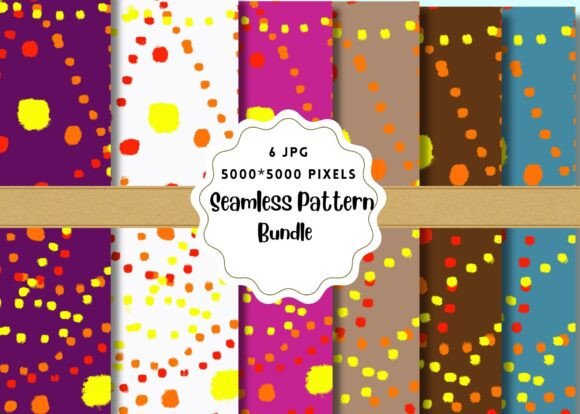
The inclusion of 6 Downloadable Pattern JPG files in a package adds immediate value. Instead of sourcing individual elements from various stock sites, creators receive a curated set of variations. This variety allows for A/B testing in marketing materials or simply choosing the best contrast ratio for different project themes. It reduces the time spent searching for assets and increases the speed of production.
Practical Applications for Modern Creators
The utility of these digital papers extends across multiple industries. Here is how different professionals can leverage Traditional Polka Dots Seamless Patterns in their daily work.
Physical Product Manufacturing
For entrepreneurs in the print-on-demand space, the barrier to entry has never been lower. Platforms allow sellers to upload designs directly onto products like mugs, phone cases, and apparel. Using a Traditional Polka Dots Seamless Downloadable Digital Patterns Papers High Resolution JPG ensures that the final product looks professional. Because the pattern is seamless, it wraps around curved surfaces smoothly—a critical feature for items like tumblers or spherical objects. Hobbyists making handmade journals or scrapbooking enthusiasts can also use these high-res images to create custom covers or inserts that look store-bought.
Digital Content Creation
Bloggers, educators, and marketers constantly need engaging visuals. Static text walls can be fatiguing to readers. Integrating a subtle polka dot texture as a background for blog headers, presentation slides, or social media story templates adds depth and interest. The 3500 x 3500 pixels resolution ensures that these backgrounds look crisp on high-definition monitors and mobile devices alike. Additionally, educators creating printable worksheets or classroom decorations can benefit from the ready-to-print nature of these files.
Branding and Identity
A consistent visual identity requires more than just a logo. Brand guidelines often include secondary patterns used on packaging, email signatures, and website footers. Traditional polka dots convey trust and friendliness, making them suitable for brands in education, childcare, healthcare, and lifestyle sectors. By using a proprietary seamless pattern derived from these high-quality bases, businesses can create a unique tactile experience for their customers.
Evolving Trends in Pattern Usage
While the polka dot is traditional, its application is evolving. Current design trends favor "quiet luxury" and understated elegance, where texture plays a larger role than bold graphics. Subtle, tonal polka dots—where the dots are slightly lighter or darker than the background—are particularly popular in interior design and fashion. These patterns add visual interest without shouting for attention.
Moreover, the rise of digital nomadism and remote work has increased the demand for personalized digital environments. People want their virtual spaces to reflect their personal style. Using these patterns as desktop wallpapers, Zoom backgrounds, or Notion dashboard covers allows individuals to curate their digital workspace. The high resolution ensures that even when viewed on large 4K monitors, the detail remains sharp.
There is also a growing emphasis on sustainability in design. Digital patterns reduce the need for physical sampling during the design phase. Designers can visualize how a pattern will look on a product using mockup generators before committing to a print run. This reduces waste and allows for quicker iteration. The convenience of downloading 6 Downloadable Pattern JPG files instantly supports this agile workflow.
Best Practices for Implementation
To get the most out of Traditional Polka Dots Seamless Patterns, consider the following practical tips:
- Color Harmony: Ensure the colors in the pattern complement your primary brand colors or project theme. High contrast works well for accents, while low contrast is better for backgrounds.
- Layering: Combine the polka dot pattern with other textures, such as paper grain or linen effects, to add realism. This prevents the design from looking too flat or artificial.
- Scale Adjustment: Don’t be afraid to resize the pattern within your design software. Sometimes, enlarging the dots creates a bolder statement, while shrinking them creates a fine, almost fabric-like texture.
- File Management: Since you are receiving high-resolution files, ensure your storage solution can handle large file sizes. Organize them by color scheme or intended use to streamline future projects.
Conclusion
The resurgence of classic design elements like the polka dot is not merely a trend; it is a reflection of our desire for order, joy, and familiarity in a complex world. The availability of Traditional Polka Dots Seamless Downloadable Digital Patterns Papers High Resolution JPG 3500 3500 pixels empowers creators to incorporate these timeless motifs with professional-grade quality. Whether you are designing a physical product for sale, enhancing a digital presence, or simply decorating your personal workspace, these assets provide a reliable foundation for creativity.
By understanding the technical benefits of high-resolution, seamless formats and applying them thoughtfully across various mediums, users can elevate their work. The key lies in balancing the playful nature of the pattern with the professional execution demanded by today’s markets. As technology continues to advance, the tools we use to create will become more accessible, but the fundamental principles of good design—clarity, beauty, and function—remain unchanged. Embracing these versatile patterns allows you to participate in that enduring tradition of quality craftsmanship.